Introduction: How To Fix macOS Running Slow
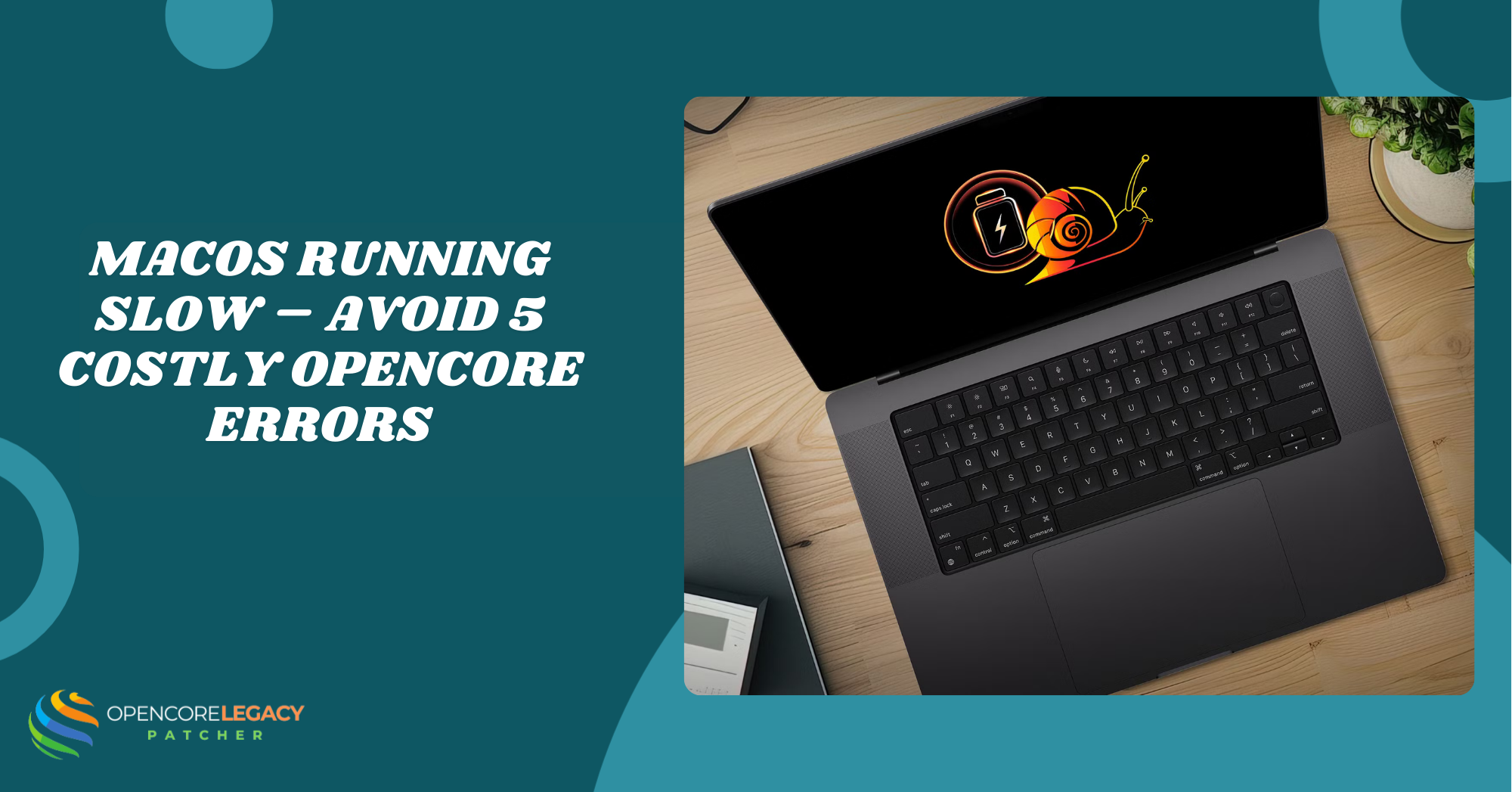
If your Mac feels sluggish or laggy after installing OpenCore Legacy Patcher, don’t panic. Unsupported Macs sometimes struggle with performance due to hardware limitations and patching overhead. Slow startup, laggy apps, and delayed system response are common complaints. Understanding why performance drops and applying safe tweaks can restore speed and stability.
With the right approach, your Mac can run smoothly even on unsupported hardware. OpenCore brings newer macOS versions to older Macs, but it also introduces kernel patches, GPU tweaks, and extra boot processes. While these improve compatibility, they can strain system resources. Optimising settings and managing caches ensures your Mac performs reliably.
What Causes macOS to Run Slowly After OpenCore Legacy Patcher
Several factors can make your Mac sluggish after OpenCore Legacy Patcher installation:
- Hardware limitations on unsupported Macs – Older CPUs, limited RAM, and slow drives struggle with newer macOS features.
- Inefficient EFI or OpenCore configuration – Misconfigured EFI can cause boot delays and system lag.
- macOS system caching issues – Accumulated caches or corrupted caches can slow the system.
- Background processes and startup items affecting speed – Excess apps and processes consume memory and CPU.
- GPU or graphics patches impacting performance – Patches that emulate modern graphics can slow unsupported GPUs.
Recognising these causes helps apply the right performance tweaks safely and effectively.
Understanding macOS Performance Issues on Unsupported Macs.
Unsupported Macs face unique challenges because newer macOS updates demand more from older hardware. OpenCore applies kernel patches, GPU injections, and EFI adjustments to make macOS compatible. While these patches enable functionality, they sometimes increase CPU and memory load. Understanding how these tweaks affect your system allows you to make smart optimisations. Many slowdowns come from system processes struggling with patched drivers or unsupported GPU instructions. Addressing these carefully can restore fluid performance without risking system stability.
How System Resources Are Affected by OpenCore
OpenCore’s patches and boot modifications consume memory and processing power. Older Macs may have limited RAM or CPU bandwidth, causing slow app launches and lag during multitasking. The monitoring system resources identify bottlenecks and highlight areas for optimisation. Efficient resource management, like disabling unnecessary services and optimising caches, can free up memory for important tasks. This helps your Mac run faster and more smoothly after OpenCore installation.
The Role of Kernel Patches and GPU Injection
Kernel patches ensure macOS can run on unsupported Macs, while GPU injection enables graphics acceleration. Improper or excessive patches can overload system resources, slowing down apps and system processes. Understanding which patches are necessary helps prevent performance penalties. Optimising or selectively applying GPU patches ensures smoother visuals without sacrificing system speed. This keeps your Mac stable even with modern macOS features.
Why Unsupported Macs Experience Lag and Instability
Older hardware combined with newer macOS demands naturally causes lag. Unsupported Macs may also have drivers that conflict with patches, leading to crashes or slowdowns. System caching, virtual memory, and background processes compound the issue. Addressing these factors with safe tweaks, cache management, and optimised OpenCore settings significantly improves performance and reduces instability.
How to Check Your Mac’s Performance After OpenCore Installation
The first step to improving performance is measuring it. Use Activity Monitor to see which apps consume CPU, RAM, and energy. High memory or CPU usage often points to unnecessary background processes. Check storage space and memory availability, as full drives or RAM can cause lag. Slow startups can indicate inefficient boot processes or misconfigured EFI settings. Regular monitoring helps identify the exact causes of sluggishness.
Using Activity Monitor to Identify Resource Hogs
Activity Monitor shows real-time CPU, memory, and energy usage. Look for apps or processes consistently consuming high resources. Quitting or managing these apps frees memory and improves speed. This tool is essential for unsupported Macs because it pinpoints which processes conflict with OpenCore patches or system resources.
Checking Storage and Memory Usage
Full storage and limited RAM are common reasons for slow Macs. Clean up temporary files, delete unused apps, and optimise disk usage. Ensuring adequate free memory allows the system to run smoothly with OpenCore patches applied.
Identifying Slow Startup and Background Processes
Startup apps and background processes can significantly delay boot times. Review login items and disable unnecessary services to improve system responsiveness. This reduces lag and accelerates the overall macOS experience.
Related Article: Differences Between OpenCore & OpenCore Legacy Patcher
Safe Performance Tweaks for macOS on Unsupported Macs
Optimising performance doesn’t require risky hacks. Start by clearing the system and user caches safely to remove junk files. Disable unnecessary login items and background apps to free CPU and RAM. Optimise storage and virtual memory by keeping ample free space and managing swap files. For heavy apps, consider using lighter alternatives that demand less from your Mac. These simple, safe steps boost speed and stability.
Clearing System and User Caches Safely
Caches store temporary files that help apps run faster, but can accumulate and slow the system. Use built-in tools or trusted apps to clear caches safely without deleting essential system files. Regular cache maintenance improves responsiveness.
Disabling Unnecessary Login Items and Background Apps
Too many startup apps consume memory and CPU. Go to System Preferences → Users & Groups → Login Items to remove unnecessary apps. This speeds up startup and reduces background load.
Optimising Storage and Virtual Memory
Ensure sufficient free disk space for virtual memory. Use macOS storage management tools to clean up large, temporary, and duplicate files. Proper storage management reduces slowdowns during multitasking.
Using Lightweight Alternatives for Heavy Apps
Replace resource-heavy apps with lighter alternatives where possible. For example, lightweight text editors or image viewers use less memory than professional suites. This keeps your Mac responsive without compromising productivity.
How to Optimise OpenCore Settings for Better Performance
OpenCore settings affect boot speed and system stability. Verify EFI and config.plist files to ensure they are correctly configured. Proper GPU and CPU patching prevents unnecessary overhead. Adjust boot arguments to remove debug logs or unnecessary options. A properly configured OpenCore reduces strain on system resources and improves macOS responsiveness.
Verifying Correct EFI and Config.plist Settings
Ensure all EFI files are in place and the config.plist has the correct patches. Misconfigured files can cause slow boot and unstable behaviour. Double-checking these settings prevents errors.
GPU and CPU Patch Optimisation
Only apply necessary GPU and CPU patches To Fix GPU Issues. Overloading the system with unnecessary patches consumes memory and processing power. Optimised patches balance compatibility with performance.
Adjusting Boot Arguments for Stability and Speed
Remove unnecessary boot flags and verbose modes to speed up startup. Optimised boot arguments reduce delays and improve overall system responsiveness.
How to Maintain Long-Term macOS Stability and Performance
Regular maintenance prevents slowdowns over time. Clear caches periodically, check startup items, and keep storage organised. Monitor system performance using Activity Monitor or similar tools. When updating macOS, ensure backups and compatibility checks. This prevents broken OpenCore patches or performance drops. Consistent maintenance ensures your Mac remains fast and stable.
Regular Cache Cleaning and Maintenance
Set a routine for cache cleanup to prevent system slowdown. Clear Safari, system, and app caches safely without risking important files.
Safe System Updates on Unsupported Macs
Before updating macOS, verify OpenCore compatibility. Install updates cautiously to prevent overwritten EFI files or broken patches.
Monitoring Startup Items and Background Processes
Regularly review login items and active processes. Disabling non-essential apps frees memory and CPU, keeping your Mac responsive.
How Third-Party Apps Can Help Speed Up macOS
Reputable macOS optimisation tools can simplify performance tweaks. They help monitor CPU, RAM, and disk usage, and safely clear junk files. Use lightweight apps to avoid conflicts with OpenCore patches. Choose tools carefully to avoid accidentally deleting system files. With the right apps, performance management becomes easier and more efficient.
Using Reputable macOS Cleanup Tools
Apps like OnyX or CleanMyMac (trusted versions) help safely remove caches and logs. They optimise system storage without risking stability.
Memory and CPU Monitoring Apps
Tools like iStat Menus track CPU and memory usage, helping identify bottlenecks. Monitoring ensures your Mac runs efficiently, even after patches are applied.
Avoiding Apps That Conflict With OpenCore Patches
Some apps may interfere with kernel patches or GPU injections. Stick to trusted optimisation tools and avoid apps that make system-level changes.
Conclusion
macOS running slow after OpenCore Legacy Patcher install is common but fixable. Safe performance tweaks, cache cleanup, optimised EFI settings, and regular maintenance improve speed and stability.
By monitoring system resources and applying careful adjustments, your unsupported Mac can run smoothly. Following these steps ensures a fast, responsive macOS experience while keeping OpenCore fully functional. Your Mac can stay reliable, efficient, and enjoyable to use.
Frequently Asked Questions (FAQs)
Why is my Mac running slowly after installing OpenCore Legacy Patcher?
Older hardware, combined with kernel patches and GPU tweaks, can strain system resources, leading to lag.
Can clearing caches improve performance on unsupported Macs?
Yes, clearing the system and user caches removes temporary files that can slow down apps and overall performance.
How do I safely optimise EFI settings for better speed?
Verify EFI and config.plist configuration, remove unnecessary patches, and ensure GPU and CPU settings match your Mac’s hardware.
Should I disable login items to make macOS faster?
Absolutely. Unnecessary startup apps consume memory and CPU, delaying boot and slowing performance.
Can GPU patches affect system performance after OpenCore installation?
Yes, improperly applied GPU patches can overload older graphics hardware, reducing performance.
How often should I maintain or clean macOS caches?
Once every few weeks is sufficient for normal use; heavy usage may require weekly maintenance.
Are third-party performance tools safe on unsupported Macs?
Yes, if you use reputable tools like OnyX or CleanMyMac, which don’t alter critical system files.
Will permanently adjusting boot arguments fix slow macOS performance issues?
Optimising boot arguments can improve startup speed and stability, but regular maintenance is also necessary for long-term performance.
Read More: